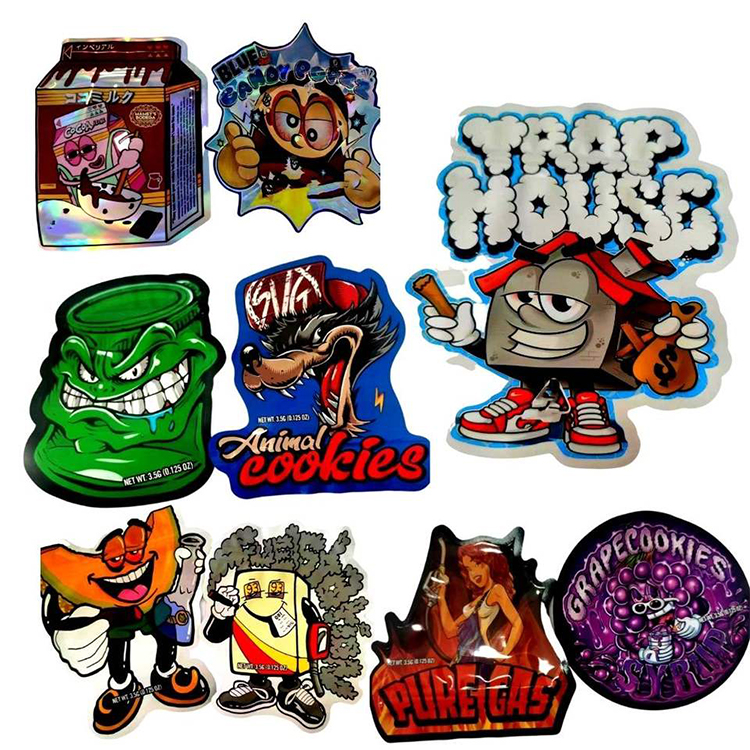
A 2024 consumer behavior study conducted by the Food Marketing Institute (FMI) found that 72% of shoppers consider packaging design a critical factor when choosing between similar food products. Brands are responding by prioritizing user-friendly features and eye-catching aesthetics that resonate with their target audiences. For example, snack brand CrunchWave recently launched its new line of whole-grain chips in packaging with a resealable zip-lock and clear windows, allowing consumers to see the product’s texture while keeping it fresh after opening. “We noticed that our customers valued convenience and transparency,” said Maria Lopez, CrunchWave’s marketing director. “The new packaging not only addresses those needs but also uses bold, vibrant colors that stand out on shelves—our sales have increased by 18% in the first quarter since the launch.”
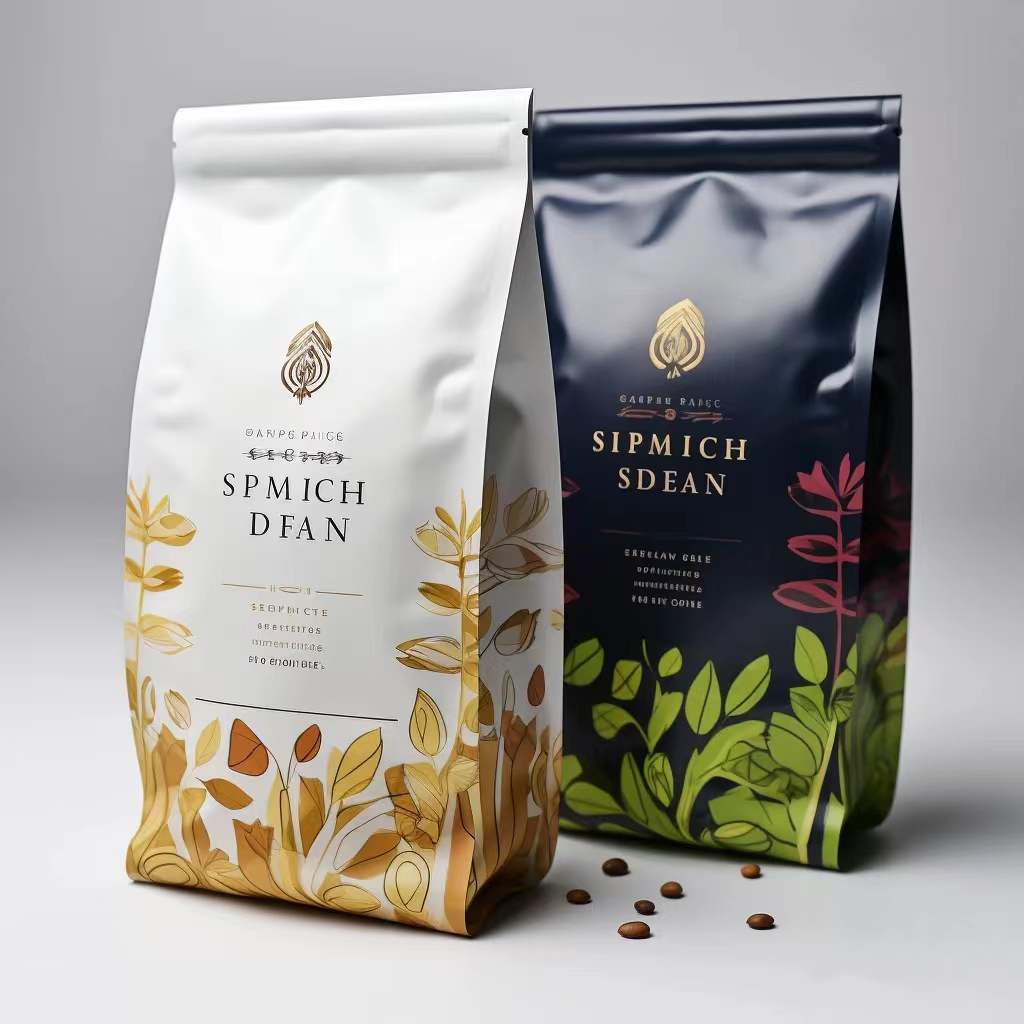
Similarly, premium chocolate brand Velvet Bloom has reimagined its packaging to tell a story. Each box features hand-drawn illustrations of cocoa farms in Ecuador, where the brand sources its beans, along with a QR code that links to a video about sustainable farming practices. “Consumers today want to connect with brands that share their values,” explained James Carter, Velvet Bloom’s CEO. “Our packaging serves as a conversation starter, helping us build an emotional bond with customers beyond just the product itself.”
Tech-Infused Packaging Enhances Customer Engagement
Advancements in technology are also transforming food packaging into an interactive marketing tool. QR codes, near-field communication (NFC) tags, and augmented reality (AR) features are being integrated into packaging to provide consumers with additional value. For instance, beverage brand SplashBurst has added QR codes to its soda cans that, when scanned, unlock exclusive discounts, behind-the-scenes content about the brand, and even interactive games. “We wanted to turn a simple can of soda into an engaging experience,” said Mike Taylor, SplashBurst’s digital marketing manager. “In the first month, over 300,000 consumers scanned the QR codes, and our social media engagement increased by 40%—it’s a great way to connect with younger, tech-savvy audiences.”
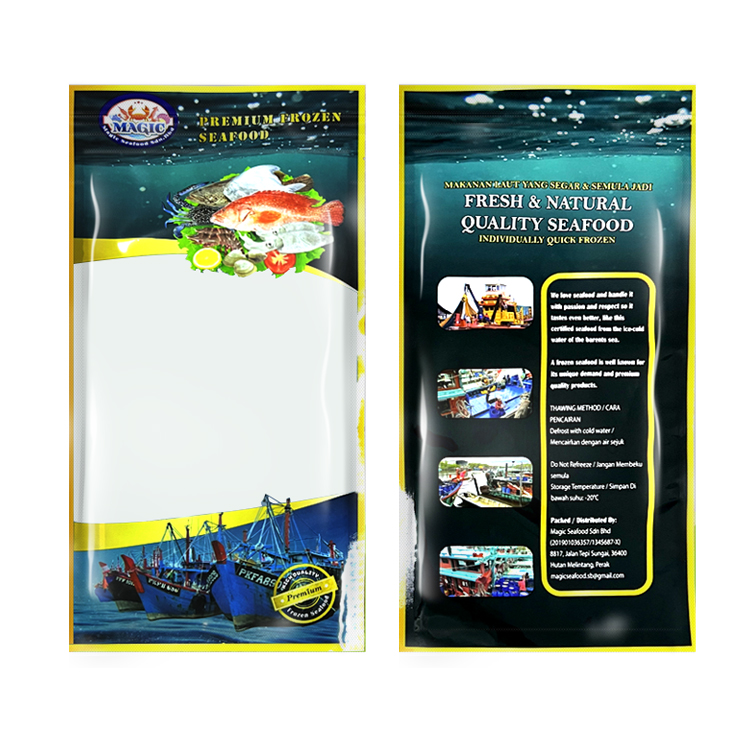
Another example is frozen meal brand HomeChef, which uses AR packaging. When consumers scan the packaging with their smartphones, an AR video appears showing step-by-step instructions for customizing the meal (e.g., adding extra spices or adjusting cooking time). “Our goal is to make frozen meals feel more personal and convenient,” said Lisa Wong, HomeChef’s product development lead. “The AR feature has received rave reviews, and we’ve seen a 12% boost in sales among busy professionals and families.”
Looking Ahead: The Future of Food Packaging Marketing
Industry experts predict that food packaging will continue to play an even more prominent role in marketing strategies in the coming years. As consumers become more conscious of sustainability, convenience, and brand authenticity, brands that invest in innovative packaging solutions will have a competitive edge. “Packaging is the first point of contact between a brand and a consumer,” said David Kim, a packaging design consultant at BrandWorks. “It’s not just about holding the product—it’s about communicating who you are as a brand and why consumers should choose you. The brands that get this right will thrive in the evolving food market.”
With new materials, technologies, and consumer preferences shaping the industry, one thing is clear: food packaging is no longer just a container—it’s a powerful marketing storyteller.