

A team of materials scientists at GreenPoly Labs has unveiled a groundbreaking food packaging solution that leverages advanced polymer engineering to eliminate single-use plastic waste—without sacrificing product protection. Published in the latest issue of Journal of Sustainable Materials, the technology combines bio-based polymers with nanocellulose reinforcements to create a packaging material that is both fully recyclable and capable of extending food shelf life by up to 50%.
Unlike traditional plastic packaging, which relies on non-renewable petroleum feedstocks, the new material is derived from renewable sources: 70% from agricultural byproducts like wheat straw and 30% from recycled paper fibers. What sets it apart is its molecular structure: the nanocellulose additives form a barrier that blocks oxygen and moisture—two primary causes of food spoilage—at levels comparable to high-performance plastics used in frozen food packaging.
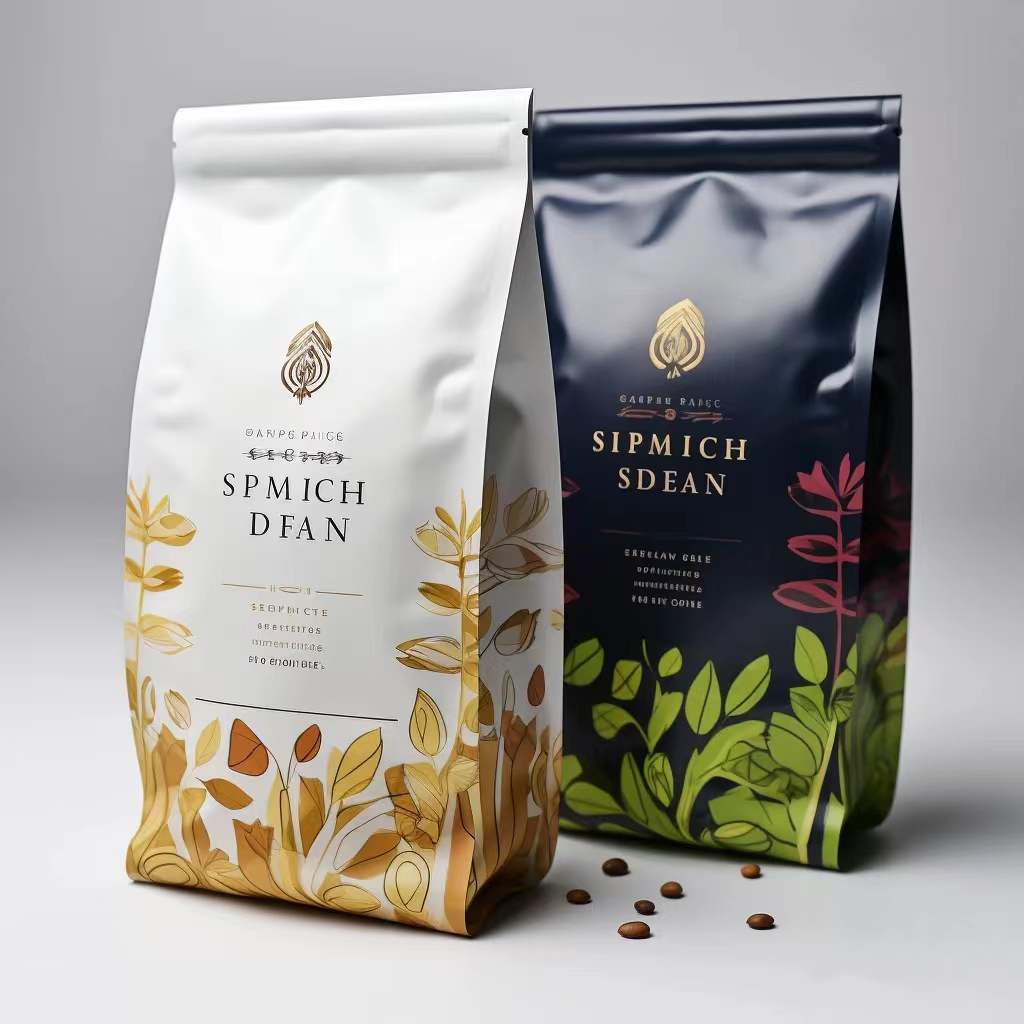
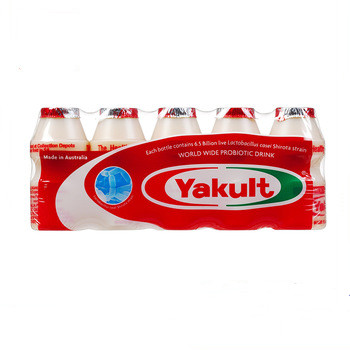
“Our proprietary extrusion process aligns the polymer chains to create a seamless barrier, solving the long-standing challenge of bio-based materials being too porous for food preservation,” explained Dr. Elena Marquez, lead researcher at GreenPoly Labs. Lab tests conducted with a major dairy brand showed that yogurt packaged in the new material stayed fresh for 28 days, compared to 18 days in conventional plastic containers. Additionally, the material can be recycled up to seven times before losing its structural integrity—a first for bio-based food packaging.
The technology also addresses a critical issue in recycling: contamination. Traditional food packaging often gets rejected from recycling streams due to food residue, but the new material’s surface is treated with a non-toxic, water-based coating that allows for easy cleaning. “Preliminary trials with municipal recycling facilities show a 92% acceptance rate for the material, compared to 68% for standard plastic food packaging,”