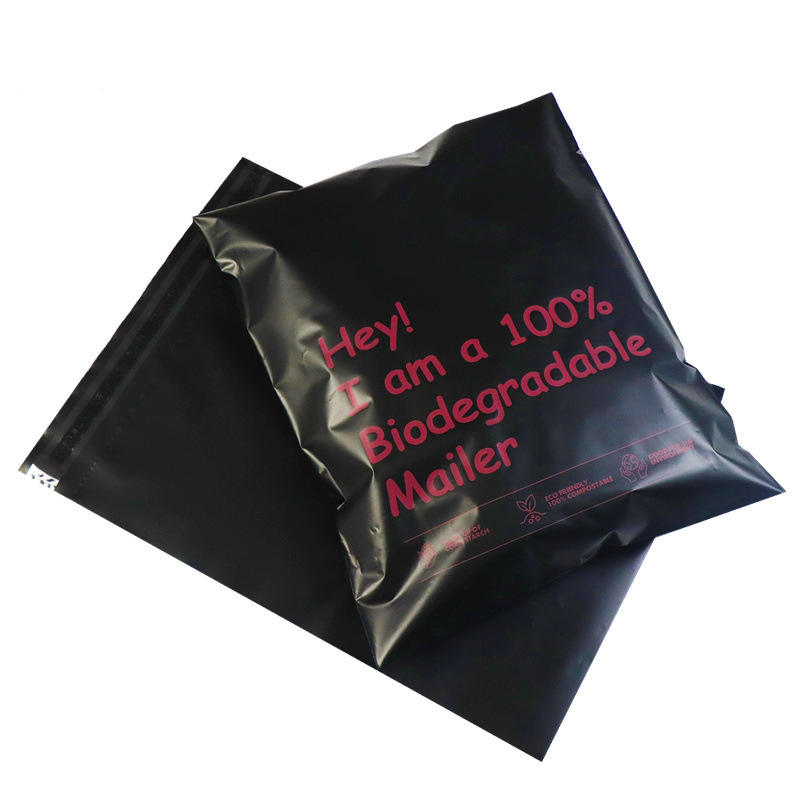
Geneva – As plastic pollution continues to pose an existential threat to global ecosystems and human health, a wave of stringent policies targeting single-use plastic bags is sweeping across nations, backed by groundbreaking research confirming their effectiveness. From coastlines in the U.S. to bustling markets in Malaysia and factories in China, governments and corporations are accelerating the shift away from traditional plastic bags, with innovative alternatives and circular economy practices emerging as key solutions.
A landmark study published in Science has provided compelling evidence that plastic bag bans and taxation policies significantly reduce environmental litter, particularly along shorelines. Conducted by researchers Papp and Oremus, the study analyzed 45,067 citizen science-led coastal cleanups across the U.S. between 2016 and 2023, alongside 182 local plastic bag policies. The findings revealed that such policies led to a 25-47% drop in the proportion of plastic bags in coastal litter, with tax measures proving more effective (achieving a 50% reduction) than full bans (35-40%), while partial bans on only thin bags showed weak and unstable results . Notably, the positive effects strengthened over time, with no rebound observed within five years of implementation, and no significant "waste displacement" to neighboring areas without such policies.
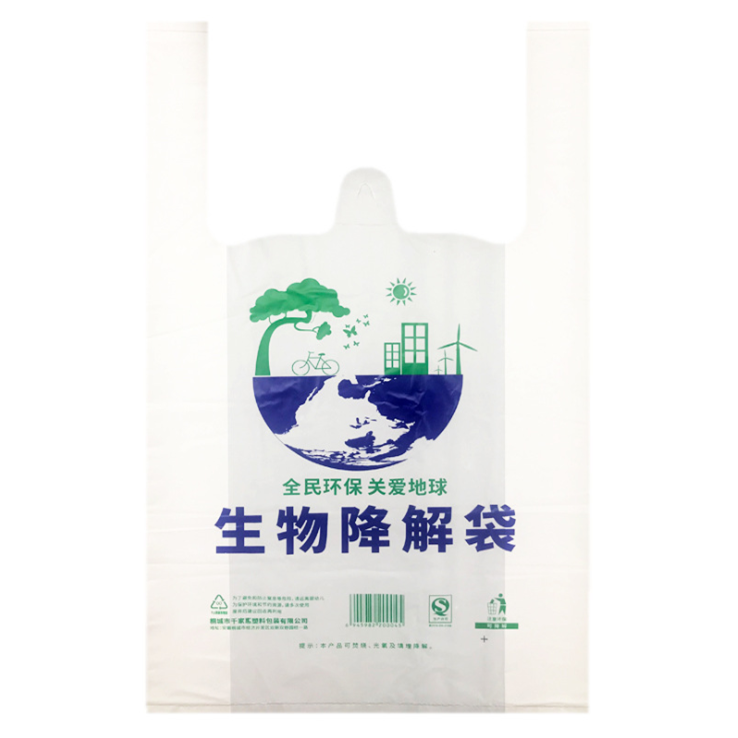
The research comes at a critical juncture as nearly 180 countries negotiate a legally binding global plastic pollution treaty in Geneva, often compared to the Paris Climate Agreement in significance. A proposal by Switzerland and Mexico to establish a "plastic ban list" has garnered support from 130 nations, reflecting a growing consensus on the need for coordinated global action . "Plastic pollution is out of control, infiltrating every corner of our planet from ocean depths to human bloodstreams," warned Inger Andersen, Executive Director of the UN Environment Programme. "These policy interventions are not just symbolic—they are evidence-based steps toward breaking the cycle of environmental harm."
On the ground, countries are translating global commitments into local action. In Malaysia's Penang state, a comprehensive "plastic-free daily life" policy came into full effect on September 1, 2025, prohibiting supermarkets, malls, and restaurants from distributing any plastic bags. The policy, preceded by a six-month transition period, builds on earlier measures implemented in 2009 and has been supported by public engagement initiatives, including the distribution of 100,000 reusable bags and "old clothes to bags" workshops . Local markets have also embraced traditional alternatives like banana leaves and bamboo baskets, while schools have integrated environmental education into curricula, fostering a culture of sustainability among younger generations.